Rhinoplasty, or a nose job, is a facial plastic surgery procedure designed to enhance the cosmetic or aesthetic appearance of the nose, as well as restore or reconstruct the functional integrity of the nasal airway. Sometimes patients can have a nasal deformity from birth or dating back to their childhood, while other times, patients have a known history of trauma that led to nasal obstruction or crookedness that needs correction. Whatever the reason for having a misshapen nose or impeded airflow, our Oklahoma City facial plastic surgeon, Dr. Scott Shadfar, is skilled in both the cosmetic and functional (breathing) aspects of this complex cosmetic surgery. Dr. Shadfar’s belief is that the nose should appear as though you were born with the final result following rhinoplasty.
- Rhinoplasty Benefits
- Rhinoplasty Terms to Know
- Rhinoplasty Candidates
- Rhinoplasty Techniques
- Rhinoplasty Recovery
- Rhinoplasty Results
- Rhinoplasty Maintenance
- Rhinoplasty Scars
- Ethnic and Asian Rhinoplasty
- Non-Surgical Rhinoplasty
- Rhinoplasty Complementary Procedures
- Rhinoplasty Risks
- Selecting a Rhinoplasty Surgeon
- Choosing Dr. Shadfar for Rhinoplasty
- Rhinoplasty Cost
- Additional Rhinoplasty FAQs
What Are the Benefits of Rhinoplasty?
Rhinoplasty is considered among the top aesthetic procedures performed for both men and women. The benefits achieved with rhinoplasty vary for each patient, but nose surgery can generally provide:
- A more proportional nose shape in relation to the rest of the face
- Improved breathing
- Correction of a nasal deformity or birth defect
- Long-term enhancement
- Enhancement that looks and feels natural
- Greater aesthetic harmony in the face
While rhinoplasty does have certain limitations, the procedure is versatile, effective, and offers long-lasting enhancement for good surgical candidates. Key to maximizing the benefits of any nose surgery is selecting a board-certified facial plastic surgeon to achieve your goals, as individuals who are accredited by the American Board of Facial Plastic and Reconstructive Surgery have more training and experience performing procedures of the face and neck.
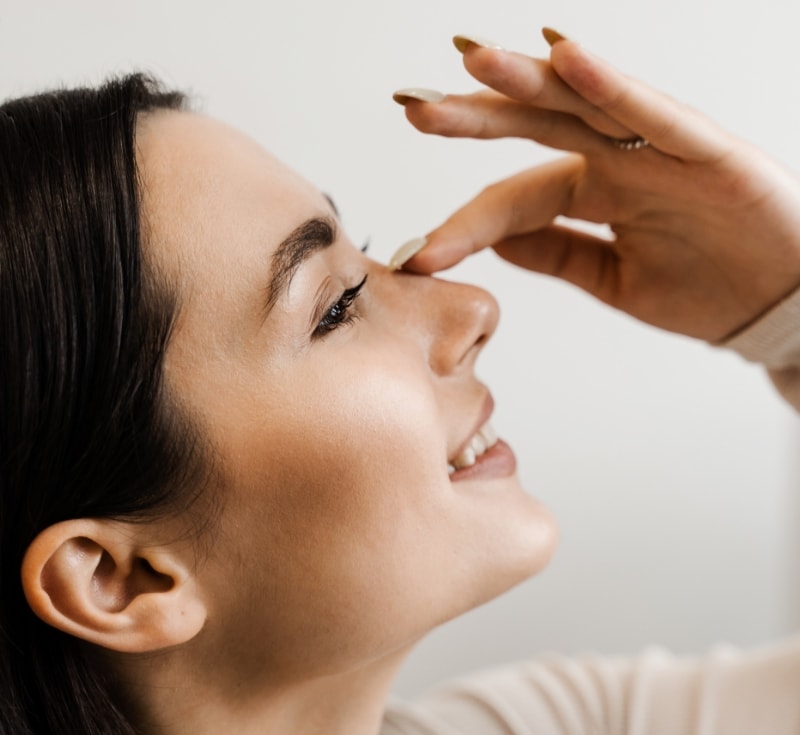
Key rhinoplasty terms to know
Throughout the process of researching the rhinoplasty procedure, you may come across certain terms that you’re less familiar with than others. Dr. Shadfar understands the importance of gaining a comprehensive overview of rhinoplasty before making a decision about surgery, so we encourage you to review the terms you may be not know at first glance:
- Scarless rhinoplasty: Also called endonasal or closed rhinoplasty, the scarless technique places incisions inside the nose. This avoids noticeable external scarring.
- Deviated septum: A condition in which the strip of cartilage between the nostrils is crooked or misaligned, potentially blocking the airways.
- Liquid rhinoplasty: A non-surgical treatment utilizing dermal fillers to temporarily straighten or balance the nose shape, resulting in short-term enhancement.
- Splint: A surgical instrument worn after surgery to immobilize and protect the nose, allowing it to heal properly.
Patient education is essential to understanding your procedure and can help you achieve greater satisfaction after surgery. Don’t hesitate to call our Oklahoma City office if you have additional questions about rhinoplasty.
Who Is a Candidate for Rhinoplasty?
Good candidates for rhinoplasty generally include women and men who are bothered by one or more of the following concerns:
- A noticeable hump or bump on the nasal bridge
- A crooked and/or distorted nasal bridge
- A bulbous, large, or downward-turned nasal tip
- Asymmetries to the nasal tip
- A deviated septum restricting proper airflow
- A history of nasal trauma
In addition to these issues, good candidates for rhinoplasty need to have realistic expectations for the outcome of surgery. This is not to say patients will not achieve the results they desire, but more that the goal of rhinoplasty is to improve the appearance and function of an individual’s nose — not to create a nose that looks identical to someone else.
How Are Rhinoplasty Techniques Performed?
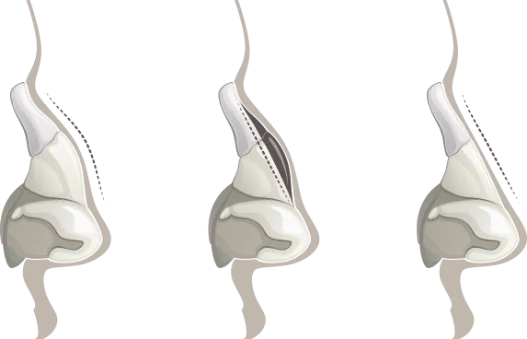
Rhinoplasty, whether using a scarless (endonasal, closed) or external (open) technique, is performed under sedation or general anesthesia, which requires an operating room. This is an outpatient surgery and patients can go home the same day after awakening from the surgery. The scarless or endonasal technique can be performed with all incisions placed within the nose, making it well-suited for patients who need more limited reshaping without significant scarring concerns. If an external approach is required to get the most satisfactory outcome for an individual, then a small incision is hidden on the undersurface of the nose, called the columella; this technique gives Dr. Shadfar a fuller view of the nasal structure, which is often beneficial for more complex reshaping or revision cases. In many cases, both techniques can achieve excellent, natural-looking results, and the choice usually comes down to the specific anatomical changes needed to meet the patient’s goals. Each patient will be examined individually to determine which approach is most appropriate.
“Having this surgery was one of the best decisions I ever made. My breathing has greatly improved and the appearance of my nose exceeded my expectations. Dr. Shadfar is a wonderful surgeon and took great care of me. I would highly recommend him!”
How Is Rhinoplasty Recovery?
The following morning after surgery, Dr. Shadfar will instruct patients how to care for the nose post-operatively. Patients will be expected to clean the inside of the nose where the incisions are located. If an external approach is used, sutures on the outside of the nose are removed on day seven following the surgery, otherwise all sutures on the inside will dissolve on their own (this step is not necessary for the scarless rhinoplasty procedure). During the first week following nasal surgery, a patient can expect some swelling and congestion. Patients will have a splint and tape on the outside of their nose for one week. Sometimes bruising can be seen around the top of the nose and below the eyes. If this occurs, it is usually resolved by the end of the week at the time of the splint and tape removal.
In most cases, patients have minimal downtime of one to two weeks before returning to work, and we ask those patients traveling from out of town to stay for routine checks during this time period.
Recovery Tips After Rhinoplasty
Dr. Shadfar will provide detailed post-operative instructions to encourage optimal healing and an expedited recovery process. Healing after nose surgery takes patience, but the following tips can often maximize the quality of your results and accelerate the return to your daily routine as soon as possible:
- Keep the head elevated at 30 degrees by sleeping with pillows propped up for support.
- Use cool compresses and over-the-counter/prescribed pain medications to alleviate discomfort.
- Stick to a healthy diet of nutrients that can aid the healing process, such as foods rich in vitamins, antioxidants, and protein.
- Do not blow your nose until Dr. Shadfar advises otherwise. The nose can be cleaned by gently using a cotton-tipped swab and nasal saline solution.
Please contact Dr. Shadfar if you have any questions or concerns during the recovery period. Occasional follow-up appointments will help our team monitor the rate of your progress.
What Can I Expect from Rhinoplasty Results?
The results of rhinoplasty usually improve as swelling and bruising dissipate, a process that can take a few weeks or months depending on your unique rate of healing. Although the outcome unfolds gradually, improvements to your nose should be noticeable as swelling resolves. It can take anywhere from one to two years for the final results of rhinoplasty to be revealed.
Rhinoplasty is designed to produce lifetime enhancement and balance of the facial features. The framework of the nose is permanently altered, therefore the outcome should be relatively stable for the long-term. As with other cosmetic procedures, sun protection and a healthy lifestyle can help extend the results, but it’s important to understand that suffering a nasal or facial injury may potentially necessitate retreatment.

How Can I Preserve My Rhinoplasty Results?
In addition to sun block and healthy living, to maintain your rhinoplasty results long-term, protect your nose from trauma and injury, especially during contact sports or high-impact activities. Avoid smoking, which impairs circulation and can compromise healing and long-term results. Maintain a stable weight, since significant fluctuations can subtly affect facial structure. Follow all post-operative instructions during recovery, including sleeping with your head elevated and avoiding glasses resting on the nasal bridge. Attend all follow-up appointments so Dr. Shadfar can monitor healing. Finally, be patient, as final results may take up to 12 to 18 months to fully appear as swelling resolves.


Will I Have Scars From Rhinoplasty?
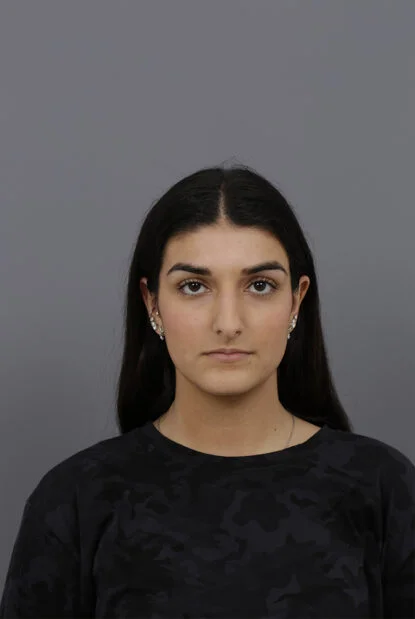
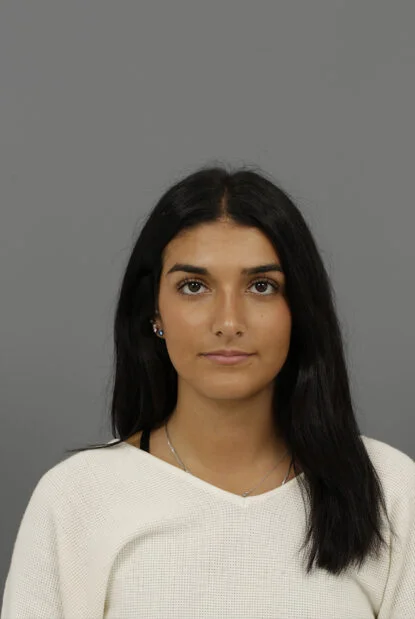
Scars are inevitable with any surgery, but rhinoplasty incisions are usually so tiny and discreet that any post-surgical scarring remains faint to outside observers. Depending on the type of rhinoplasty technique utilized during your procedure, incisions may be placed internally — in which case, there will not be external scars whatsoever. This approach is known as Dr. Shadfar’s scarless rhinoplasty technique. Other patients have their procedure performed through a small incision made in the base of the columella, allowing it to be camouflaged within the natural crease on the undersurface of the nose.
Dr. Shadfar will provide aftercare instructions regarding incision care and wound healing. These guidelines allow incisions to heal as optimally as possible, making it likely that any scars will lighten and fade over time until they’re imperceptible.
Ethnic and Asian rhinoplasty
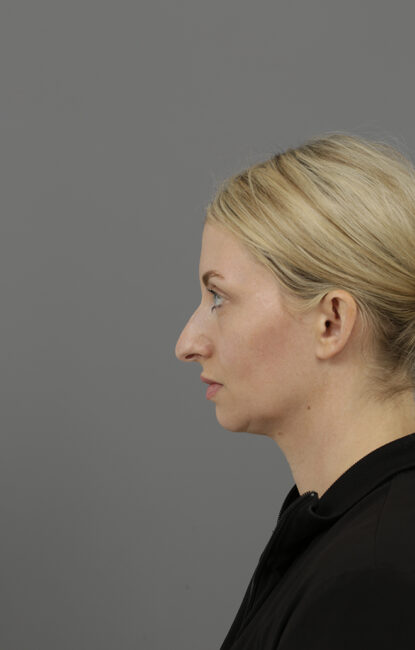
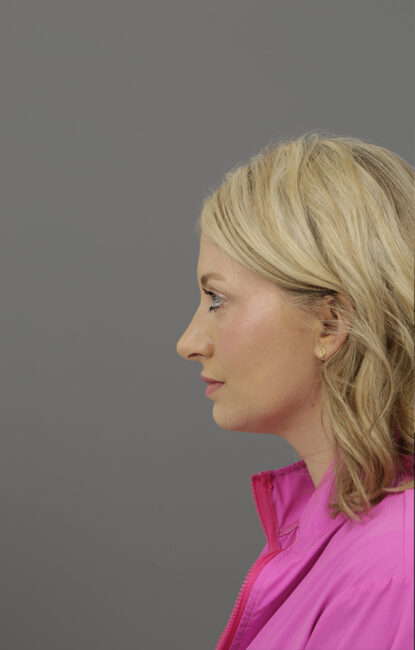
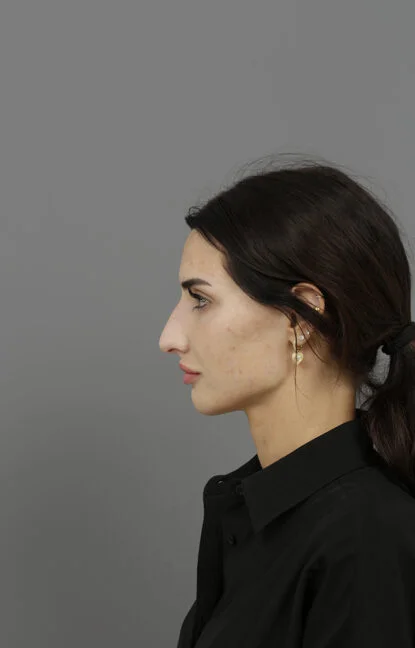
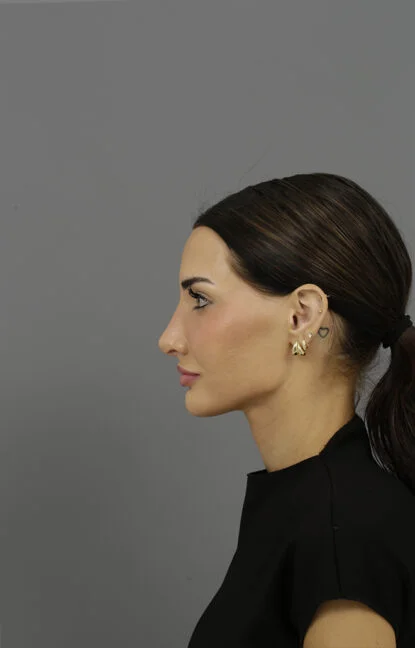
Dr. Shadfar performs nose surgery on a diverse range of individuals and achieves beautiful rhinoplasty results by using intricate techniques to enhance and complement a patient’s natural facial features. As such, attaining an optimal outcome often involves unique consideration of the various characteristics that make up a patient’s natural beauty. Men and women of Asian, Caucasian, African-American, Latino, and Middle-Eastern descent typically have distinctive facial features that differentiate one ethnicity from the other, creating the need to preserve the character of a patient’s facial appearance within the context of their aesthetic goals. In using rhinoplasty to create a more harmonious balance between facial features, Dr. Shadfar customizes each treatment plan to attain natural-looking results for all patients, and will work with you to achieve your ideal cosmetic outcome. You will have the opportunity to look at before-and-after photos, if desired, to get an idea of the potential results with rhinoplasty.

Can I Get a Non-Surgical Rhinoplasty?
For patients who desire a non-surgical method of resculpting their nasal features, liquid rhinoplasty can be a minimally invasive technique to enhance the appearance of the nose without extensive downtime. This treatment utilizes dermal fillers to alter the size or shape of certain aspects of the nose, straighten or disguise a nasal hump, and fill in depressions causing an asymmetrical appearance. While this technique cannot achieve results that are as extensive and long-lasting as surgical rhinoplasty, liquid rhinoplasty offers a more conservative treatment to cosmetically refine the proportions of the nose. Most patients are better surgical candidates for the results they are seeking and very few qualify for filler rhinoplasty.
What Procedures Complement Rhinoplasty?
In some cases, complementing the results of your rhinoplasty with facial implants can be an effective way to achieve optimal facial balance. Facial implants are typically utilized to restore youthful contours in the chin and even the cheeks. As these features begin to flatten with age, subtle facial augmentation can create a beautiful profile in areas of the face that lack definition. Chin implants in particular have the ability to not only lengthen a recessed or diminutive chin, but also enhance the appearance of the nose by reducing its prominence. For this reason, some patients may choose to undergo chin augmentation with implants to their treatment plan to attain more proportion between their facial features and complement their rhinoplasty results.
What Are the Risks of Rhinoplasty?
Rhinoplasty is recognized as one of the most complex cosmetic procedures. You can maximize the safety of your surgery by selecting a qualified board certified facial plastic surgeon who regularly performs nose procedures. Extensive experience performing rhinoplasty can increase the likelihood of achieving your desired outcome while minimizing the need for a secondary procedure. Dr. Shadfar will review all the risks, benefits, and alternatives during your consultation.

Choosing a Rhinoplasty Surgeon
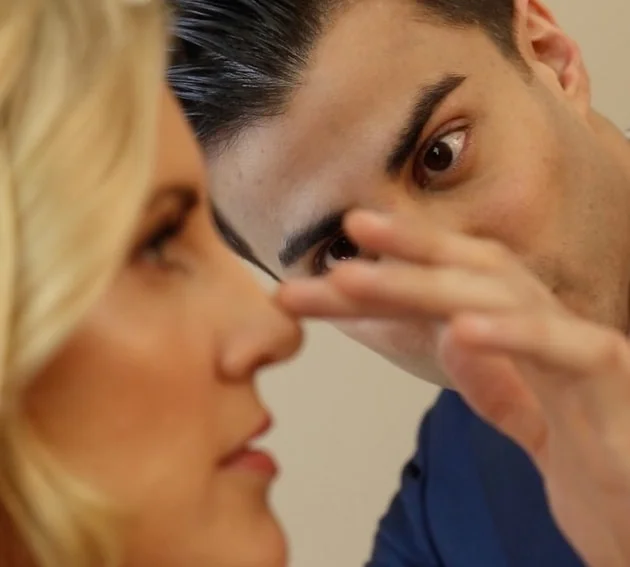
As the central feature of the face, operating on the nose requires a high level of skill, aesthetic training, and specialized experience to achieve a harmonious result. Given the intricate nature of reconstructing the nasal framework, rhinoplasty should be performed by a facial plastic surgeon who is certified by the American Board of Facial Plastic and Reconstructive Surgery (ABFPRS). Surgeons trained and accredited in this sub-specialty generally have the highest levels of training in aesthetic and reconstructive facial procedures, distinguishing their experience from those whose focus lies in general body plastic surgery. With a facial plastic surgeon, you can entrust that you are receiving specialized care from a surgeon who exclusively works with structures of the face, head, and neck.
Choosing Dr. Shadfar for Rhinoplasty
Dr. Shadfar brings specialized training in facial plastic surgery, with a focus on achieving natural-looking, harmonious results tailored to each patient’s unique facial anatomy. Dr. Shadfar is not only board certified by the ABFPRS, but he was also fellowship-trained by leading figures in facial plastic and reconstructive surgery. His ongoing commitment to advancements in the field is reflected by his membership in the American Academy of Facial Plastic and Reconstructive Surgery, as well as by his research and publication in various national medical journals.
His approach to rhinoplasty combines artistic vision with meticulous surgical technique, addressing both cosmetic concerns and functional issues like breathing difficulties. Patients choose Dr. Shadfar for his thorough consultations, where he listens closely to individual goals and sets realistic expectations. His experience allows him to handle complex cases with confidence. With his comprehensive experience, Dr. Shadfar can provide you with the safety, care, and results you deserve from your rhinoplasty.
How Much Does Rhinoplasty Cost?
Rhinoplasty costs can vary depending on several factors, making it difficult to provide a single price without an in-person consultation. Key factors influencing cost include the complexity of the procedure, whether it’s a primary or revision surgery, and the specific techniques required to achieve your goals. Additional contributors include anesthesia fees, operating facility charges, and any pre- or post-operative care needs. Whether the surgery addresses purely cosmetic concerns or also corrects functional breathing issues can also affect the total.
During your consultation, Dr. Shadfar can evaluate your goals and provide a personalized quote reflecting the full scope of your procedure.
Additional Rhinoplasty Frequently Asked Questions (FAQS)
WHICH PARTS OF THE NOSE CAN RHINOPLASTY ADDRESS?
Depending on each patient’s specific needs and desires, the rhinoplasty procedure can be individually tailored to refine and/or enhance the nostrils, nasal bridge, nasal tip, nasal hump, and septum. More specifically, the nostrils can be resized and reshaped; the nasal bridge can be straightened, made bigger/smaller, or broadened/narrowed; the nasal tip can be raised/lowered and increased/decreased in size; the nasal hump can be trimmed or shaved down; and the septum can be repaired or realigned.
WHAT IS THE DIFFERENCE BETWEEN OPEN AND CLOSED RHINOPLASTY?
Open rhinoplasty is performed using a tiny incision hidden in the columella (the junction between the left and right nostrils on the undersurface of the nose). In contrast, closed (endonasal or scarless) rhinoplasty involves the use of small incisions made inside the nose. Both techniques can yield exceptional results for the right patients, and the most effective method will be determined based on the individual’s unique needs and goals.
IS RHINOPLASTY PERFORMED DIFFERENTLY FOR WOMEN AND MEN?
In general, the fundamental technique used to perform rhinoplasty for women and men does not differ. However, there are certain nasal characteristics unique to females and males that are generally taken into account when planning and conducting surgery. For example, the nasal bridge for most females tends to be thinner and less prominent than that of most males. Additionally, the nasal tip of the female nose is often turned slightly upwards whereas the majority of male noses are less elevated, usually creating a 90 to 95 degree angle between the upper lip and nose. In the end, rhinoplasty is an individualized treatment, and regardless of what is thought of as the aesthetic ideal for men and women, the procedure can be customized to meet the specific needs and goals of the patient.
CAN I GET A RHINOPLASTY FOR A DEVIATED SEPTUM?
Yes, some rhinoplasty techniques can be utilized to repair a deviated septum with or without cosmetic enhancement of the nose. If your goals are solely focused on improving breathing function, a procedure known as septoplasty can be utilized to straighten a crooked septum and increase airflow. When the nose is being aesthetically enhanced at the same time as the repair of your septum, this procedure is known as a septorhinoplasty.
DO I NEED RHINOPLASTY TO FIX A BROKEN NOSE?
A rhinoplasty may be necessary to treat a broken nose depending on how much damage was inflicted to the nasal bones, septum, and cartilage. The best way to proceed with a nose fracture is to have your injuries evaluated by a qualified facial plastic surgeon. For some mild breaks, a quick closed reduction procedure may be enough to mend your nose.
CAN RHINOPLASTY BE REVERSED OR REVISED?
Rhinoplasty results are intended to be long-lasting or “permanent.” Revision rhinoplasty is usually more complex than primary surgery due to altered anatomy and scar tissue, requiring a surgeon with specialized experience. It's typically recommended to wait at least a year after your initial surgery before pursuing revision, allowing swelling to fully resolve.
HOW CAN I REDUCE SWELLING DURING THE RECOVERY PROCESS?
To minimize swelling after rhinoplasty, keep your head elevated above your heart, even while sleeping, for the first several weeks. Apply cold compresses gently around (not directly on) the nose during the initial days. Avoid strenuous activity, bending over, and salty foods, which can worsen fluid retention. Staying hydrated and taking prescribed medications can also help. Swelling typically decreases significantly within the first few weeks, though subtle swelling may persist for months.
HOW SHOULD I PREPARE FOR RHINOPLASTY?
Preparing for rhinoplasty starts with a thorough consultation to discuss goals and undergo any necessary medical evaluations. You'll typically need to stop smoking and avoid certain medications and supplements, like blood thinners, several weeks beforehand. Arrange for a friend or family member to drive you home and help during initial recovery. A shopping list will be provided in advance and prepare your recovery space with extra pillows for elevated sleeping.
WHEN CAN I BLOW MY NOSE AFTER RHINOPLASTY?
Do not blow your nose for at least four weeks after surgery to avoid disrupting the healing process. The nasal framework will be very fragile after rhinoplasty and any undue force from blowing the nose can potentially cause bleeding or alter the final outcome. Some congestion after the procedure is normal and can be alleviated by gently cleaning the nostrils with a saline rinse.
WHEN CAN I WEAR GLASSES AFTER RHINOPLASTY?
If you wear prescription glasses, Dr. Shadfar recommends using contact lenses for approximately four weeks after rhinoplasty to minimize pressure on the nasal bridge while it heals. Every patient has a unique rate of healing, so Dr. Shadfar will personally advise you on activity restrictions based on the progress of your recovery.
WHEN CAN I RESUME EXERCISING AFTER RHINOPLASTY?
Most patients can resume light activities, like walking, within two weeks after rhinoplasty. However, strenuous exercise, running, and heavy lifting should generally be avoided for at least three to four weeks to protect healing nasal tissue and minimize swelling. Contact sports or activities with injury risk should be avoided for several months. Always follow Dr. Shadfar’s specific guidance based on your healing progress.
DOES INSURANCE COVER RHINOPLASTY?
Insurance coverage for rhinoplasty often depends on the purpose of the surgery. Purely cosmetic rhinoplasty, performed to reshape the nose for aesthetic reasons, is typically not covered by insurance. However, if this procedure corrects a functional issue, such as a deviated septum causing breathing problems, insurance may cover that portion. Our office can help verify your specific benefits.
Please contact Dr. Scott Shadfar today to learn more about rhinoplasty, or to schedule a consultation.