OKC Plastic Surgeon on What to Know Before Facelift Surgery
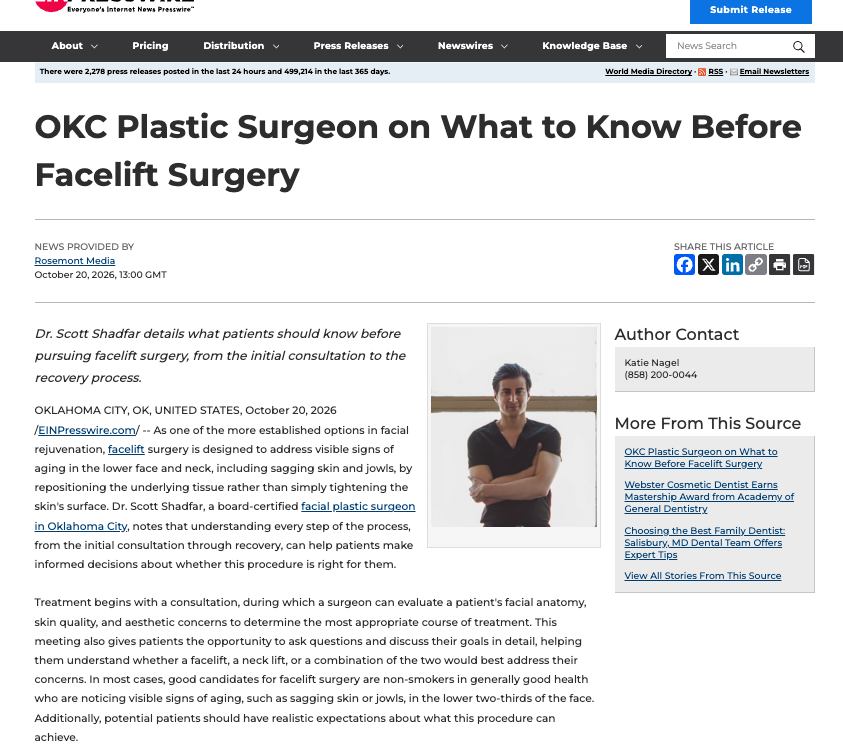
Dr. Scott Shadfar details what patients should know before pursuing facelift surgery, from the initial consultation to the recovery process.
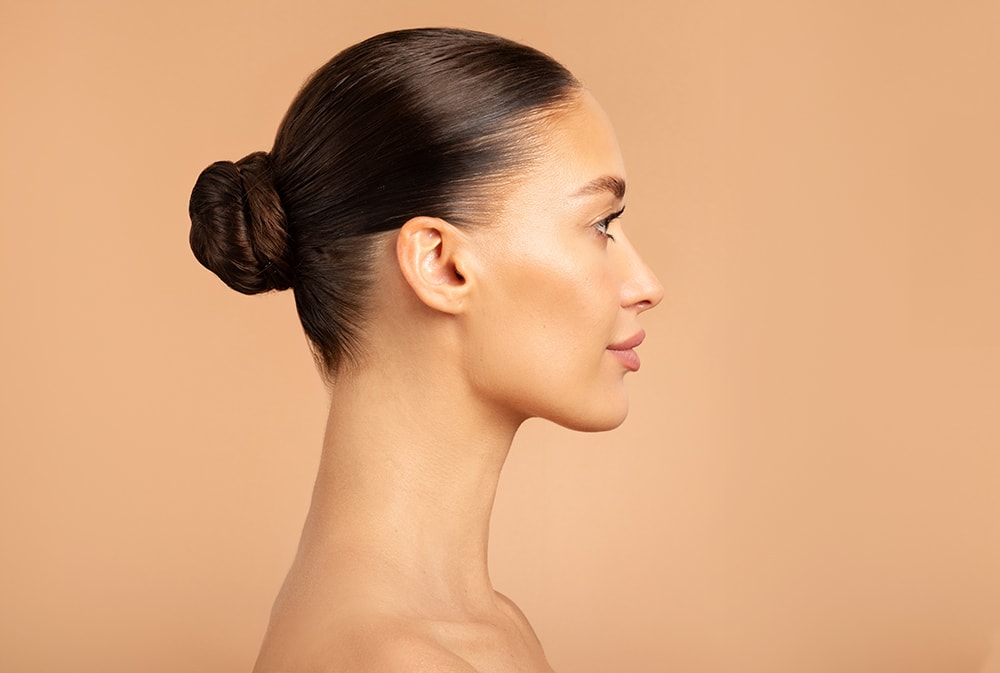
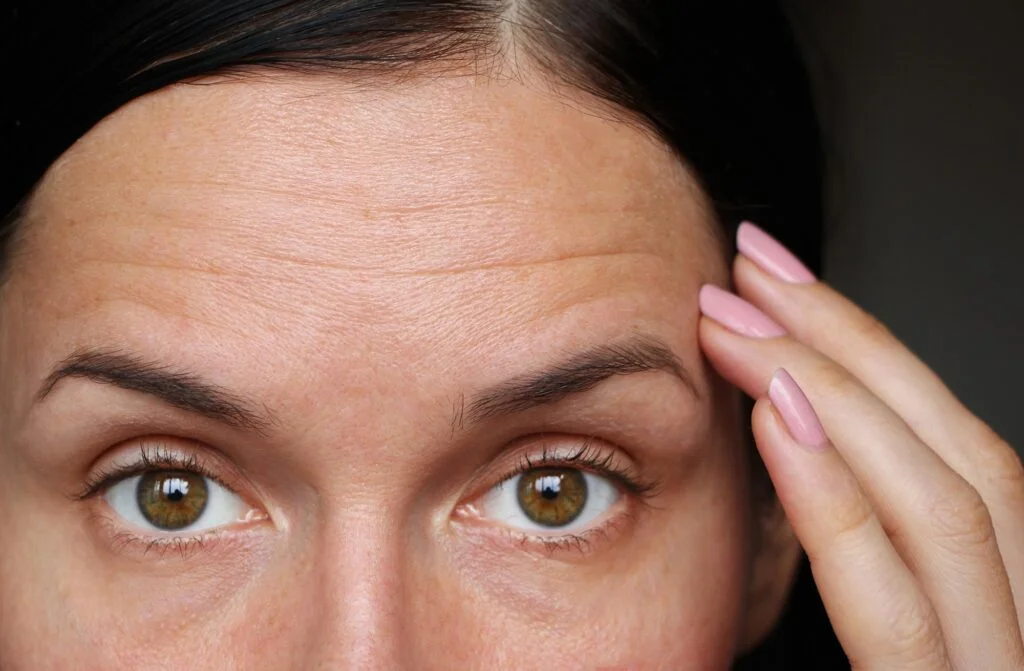
Oklahoma City, OK – As one of the more established options in facial rejuvenation, facelift surgery is designed to address visible signs of aging in the lower face and neck, including sagging skin and jowls, by repositioning the underlying tissue rather than simply tightening the skin’s surface. Dr. Scott Shadfar, a board-certified facial plastic surgeon in Oklahoma City, notes that understanding every step of the process, from the initial consultation through recovery, can help patients make informed decisions about whether this procedure is right for them.
Treatment begins with a consultation, during which a surgeon can evaluate a patient’s facial anatomy, skin quality, and aesthetic concerns to determine the most appropriate course of treatment. This meeting also gives patients the opportunity to ask questions and discuss their goals in detail, helping them understand whether a facelift, a neck lift, or a combination of the two would best address their concerns. In most cases, good candidates for facelift surgery are non-smokers in generally good health who are noticing visible signs of aging, such as sagging skin or jowls, in the lower two-thirds of the face. Additionally, potential patients should have realistic expectations about what this procedure can achieve.
Before undergoing surgery, Dr. Shadfar explains that patients should know that a facelift is typically performed under deep sedation or general anesthesia. During the procedure, surgeons can access the deeper facial tissues through small, carefully placed incisions around the ears, and in cases where the neck muscles also require tightening, an additional small incision may be made under the chin. One technique used in facelift surgery, the extended deep plane SMAS rhytidectomy, focuses on resuspending the muscular and fascial layers of the face that shift and descend over time, rather than simply pulling and tightening the skin. This approach allows the skin to be redraped in a natural-looking position without excess tension, which can help patients avoid an overly pulled or “wind-swept” appearance that is sometimes associated with facelift surgery.
While recovery often follows a fairly predictable timeline, Dr. Shadfar mentions that individual experiences can vary. Patients typically wear a light, compressive head wrap for the first 24 hours following surgery, after which the surgical team examines and assesses the incisions. Swelling and bruising around the treated area are common in the days following the procedure and generally resolve within the first weeks, though this timeline may extend for those undergoing combination procedures. Many patients are able to resume makeup and skin care routines after 12-14 days. Dr. Shadfar also notes that downtime is important, with most patients returning to desk-level work within about two weeks, and resuming exercise and other exertional activities with restriction after approximately three weeks.
Dr. Shadfar explains that while facelift surgery can address visible signs of aging in the lower face and neck, outcomes generally depend on a range of individual factors, including skin quality, anatomy, and overall health. Patients considering this procedure are encouraged to seek an in-person consultation with a board-certified facial plastic surgeon to discuss their specific circumstances and determine whether facelift surgery is an appropriate option for their goals.
About Scott Shadfar, MD
Dr. Scott Shadfar is a board-certified facial plastic surgeon based in Oklahoma City, with almost two decades of experience focused on facial rejuvenation. He completed his medical education at the University of Oklahoma Health Science Center, graduating at the top of his class and earning induction into the Alpha Omega Alpha national medical honor society, a distinction reserved for top-performing medical students. He went on to complete his surgical residency in Otolaryngology-Head and Neck Surgery at the University of North Carolina, where his focus on facial plastic surgery began to take shape. After residency, Dr. Shadfar completed one of the country’s most competitive fellowship programs, achieving double board certification in his field. Throughout his career, he has remained engaged in aesthetic and reconstructive surgery research, contributing to the ongoing advancement of the specialty. He is an active member of the American Academy of Facial Plastic and Reconstructive Surgery, a facial plastic surgery specialty organization. Dr. Shadfar is available for interview upon request.
For more information on Dr. Shadfar or his practice, please visit drshadfar.com, facebook.com/ShadfarFacialPlasticSurgery, or instagram.com/drshadfar.
Contact:
Shadfar Facial Plastic Surgery
9433 N Kelley Ave.
Oklahoma City, OK 73131
(405) 871-5757
Rosemont Media
(858) 200-0044
www.rosemontmedia.com